First Month With an EV: Why Ama's Bills Didn't Add Up
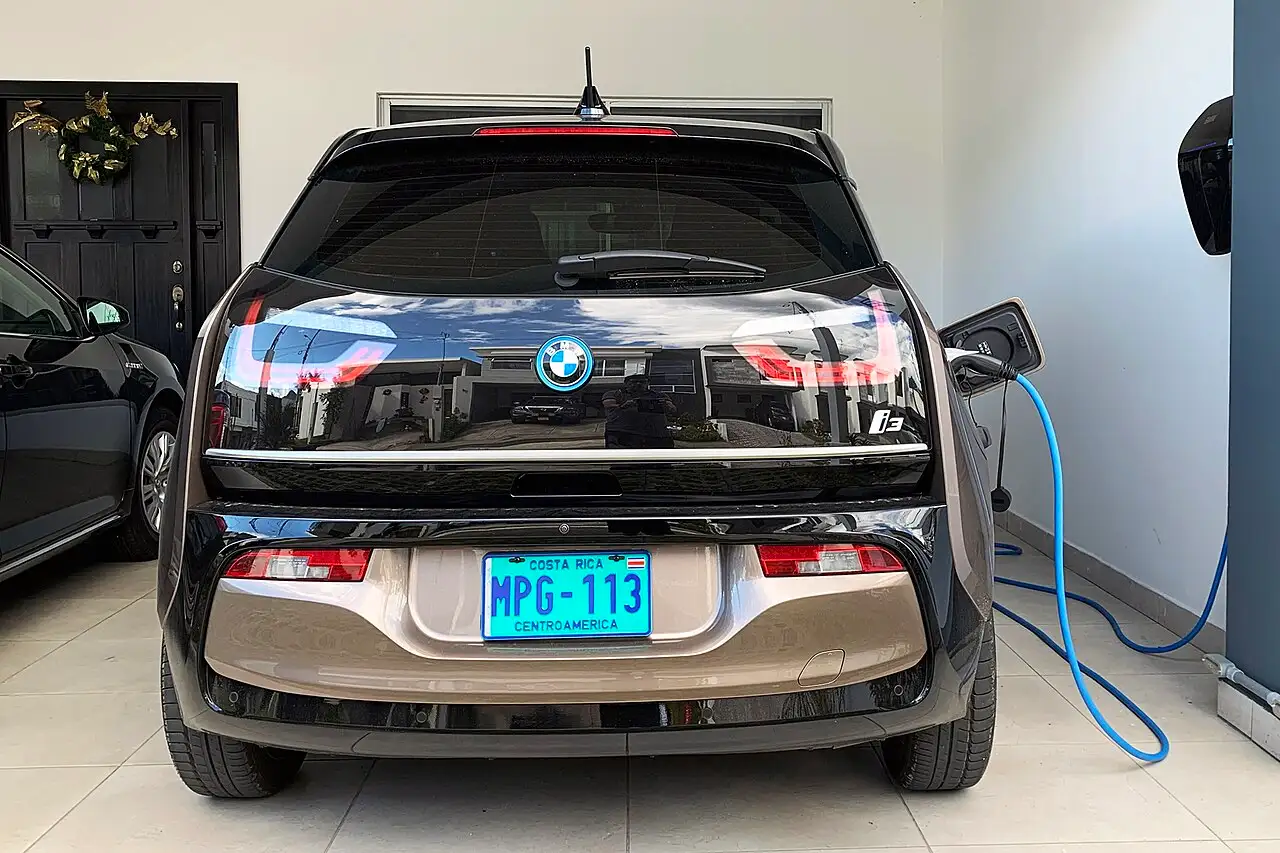
Ama’s colleague had been very sure about it. “Electric cars aren’t cheap to run any more,” he told her over coffee. “I paid nearly thirty quid to charge mine on the way to Cornwall.”
Ama had just collected her own second-hand electric hatchback, with a 60kWh battery, and had been feeling quite pleased with her first home charge. So which of them was right?
As it turned out, both of them — and the difference between them is the most useful thing to understand about running an EV.
Same car, same battery, two very different prices
Ama charges overnight at home, on a time-of-use tariff with a cheap off-peak rate. For this story we’ve used an illustrative 8p per kWh for that rate. Her colleague mostly uses motorway rapid chargers; we’ve used an illustrative 79p per kWh. Both are examples only — EV tariffs and public charging prices vary a lot and change often, so check your own.
Taking the battery from 20% to 80% — the everyday top-up most drivers do — adds 36kWh either way. The EV charging cost calculator puts a price on it:
| Where | Rate (illustrative) | Energy added | Cost |
|---|---|---|---|
| Home, off-peak | £0.08/kWh | 36kWh | £2.88 |
| Motorway rapid charger | £0.79/kWh | 36kWh | £28.44 |
The car is identical. The energy is identical. The price is almost ten times different.
Thinking in pence per mile
A single charge is easy to compare, but it doesn’t tell you what driving costs. For that, Ama needed her car’s efficiency — how many miles it covers on one kWh. Her dashboard showed an average of about 3.5 miles per kWh over her first month of mixed driving.
The EV cost per mile calculator does the division for you:
- At home, 8p ÷ 3.5 miles ≈ 2.3p per mile
- On the rapid charger, 79p ÷ 3.5 miles ≈ 22.6p per mile
That second number is the one her colleague was feeling.
Against her old petrol car
Ama drives about 8,000 miles a year. Her old petrol car averaged 45mpg, and we’ve used an illustrative £1.45 a litre for fuel. The EV vs petrol running cost comparison put the three possibilities side by side:
| Charging pattern | EV energy cost for 8,000 miles | Petrol for 8,000 miles | Difference |
|---|---|---|---|
| All at home (8p) | £182.86 | £1,171.88 | EV £989.02 cheaper |
| 90% home, 10% rapid (blended 15.1p) | £345.14 | £1,171.88 | EV £826.74 cheaper |
| All on rapid chargers (79p) | £1,805.71 | £1,171.88 | EV £633.83 more |
So her colleague wasn’t wrong: if you can’t charge at home and rely on rapid chargers, an EV can cost more per mile in energy than an efficient petrol car. Ama, charging mostly at home, saves a lot.
A note on honesty: these figures are energy costs only. They leave out charging losses (typically a few percent extra drawn from the wall), insurance, servicing, tax and depreciation, which differ car by car. They’re for comparing like with like, not for deciding whether to buy.
The habits that kept her costs down
After a month, Ama’s routine settled into something simple:
- Plug in at home, overnight, most nights it’s below 50%. Small top-ups on the cheap rate add up to almost all her driving.
- Use rapid chargers for journeys, not routine. On a long trip, a 20-minute stop is worth paying for. For the weekly shop, it isn’t.
- Charge to what you need. On a rapid charger, the last 20% is often the slowest and you pay by the kWh either way. The EV charging time calculator helps you see how long a top-up will actually take at a given charger speed.
When she next saw her colleague, she showed him the table. He’s now on the waiting list for a home charger.
Run your own numbers
You’ll need three things: your battery size, your electricity rate from your bill or charging app, and your car’s real-world miles per kWh from the dashboard. Put them into the calculators above — or browse all the Drive tools for petrol, diesel and journey costs too.