The Garden Wall That Ran Out of Bricks Halfway
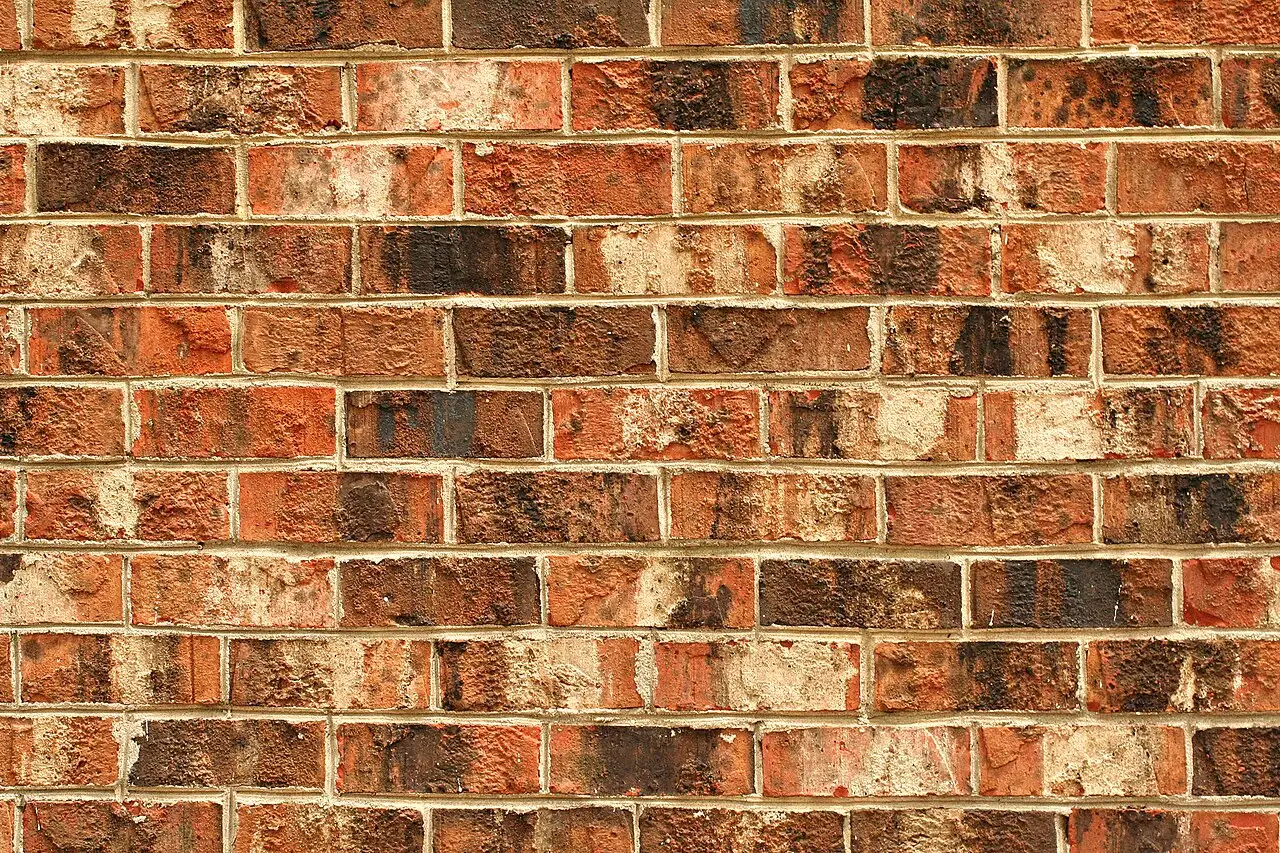
Priya had been looking at the same sagging fence panel for three summers. This year she decided to replace it with something that would outlast her: a proper brick wall along the side of the garden, six metres long and 1.2 metres high.
She did what most of us would do. She measured the space, multiplied length by height, and searched “how many bricks per square metre”. The answer — about sixty — looked simple enough. Six metres by 1.2 metres is 7.2 square metres; sixty bricks a square metre is 432; add a few for breakages and call it 460. The merchant delivered a neat pallet on Friday morning.
By Sunday afternoon the wall was at waist height, and the pallet was empty.
What went wrong
Nothing about Priya’s arithmetic was wrong. The problem was the question she’d asked. “Sixty bricks per square metre” describes one leaf of bricks — a single line of bricks, about 10cm thick, of the kind you’d see on the outside of a cavity wall. A freestanding garden wall at that height is usually built two leaves thick, with the bricks of each leaf side by side, so it’s roughly 21.5cm through. That’s twice as many bricks for the same face area.
She had ordered half a wall.
The second problem arrived with the top-up order. Bricks are fired in batches, and colour drifts slightly from one kiln run to the next. When the new pallet came, the bricks were a touch more orange than the first lot. In a wall you look at every day, that line is the first thing you notice.
Doing the sums properly
When Priya rebuilt her plan, she worked through it the way you’d want to before the first order goes in.
1. Get the area right. Length × height of the finished wall, without the footing: 6m × 1.2m = 7.2m². If a wall has a gate or opening, measure it and take it off.
2. Decide how thick the wall is. One leaf or two? For a garden wall, ask a builder or check your plans; height, exposure and ground all matter. Priya’s was two leaves.
3. Choose a waste allowance that matches the job. A plain run with no openings might need 5%. Priya’s wall had two end piers and some cut bricks at each end, so she used 10%.
Putting those into the brick quantity calculator:
| Wall | Inputs | Bricks to order |
|---|---|---|
| What she first ordered for | 7.2m², single leaf, 5% waste | 454 |
| What the wall actually needed | 7.2m², double leaf, 10% waste | 951 |
The calculator’s default of sixty bricks per square metre comes from the standard UK brick (215 × 102.5 × 65mm) with 10mm mortar joints, laid in stretcher bond — the pattern in the photo above. If you’re using reclaimed or imperial-sized bricks, measure one and change that figure; the result can shift by more than you’d expect.
Don’t forget what’s under the wall
The other thing Priya hadn’t priced was the footing. A brick wall needs a concrete foundation, and the size of it depends on the soil, the height of the wall and local rules — this is the part to get from a builder or your local building control, not from a blog post.
Her builder suggested a strip footing the length of the wall, 450mm wide and 225mm deep. The concrete volume calculator turned that into a quantity:
- 6m × 0.45m × 0.225m, plus 10% for an uneven trench = 0.67m³ of concrete
That number on its own doesn’t mean much until you know how it arrives. Using the concrete bag calculator with its default yield of 0.0125m³ per bag, it comes to 54 bags (check the yield printed on your own bags — many 25kg bags make a little less, which means more bags). That’s far more than most people want to mix by hand in a weekend. At that size it was worth getting quotes for a small ready-mix delivery too, and comparing.
What she’d do differently
Looking back, Priya boils it down to three things:
- Ask the right question. “How many bricks per square metre?” is only half the question. “How many bricks for a wall this thick, built this way?” gets you the right answer.
- Order the whole job from one batch. Even if the cost hurts up front, a single delivery means a single colour. Most merchants sell by the pack, so round up to whole packs and ask whether unopened packs can go back.
- Price the bit nobody sees. The footing, the sand and cement for mortar, and the hire of a mixer often add up to more than people expect.
If your project is a building rather than a boundary wall, the inner leaf is often concrete blockwork instead of brick — the block quantity calculator handles that side. And for everything else in a building project, the Build tools collect the material calculators in one place.
The wall is finished now. If you look closely at the end pier, there’s a faint change of shade halfway up. Priya calls it “the receipt”.