Planning Dad's 60th in the Village Hall
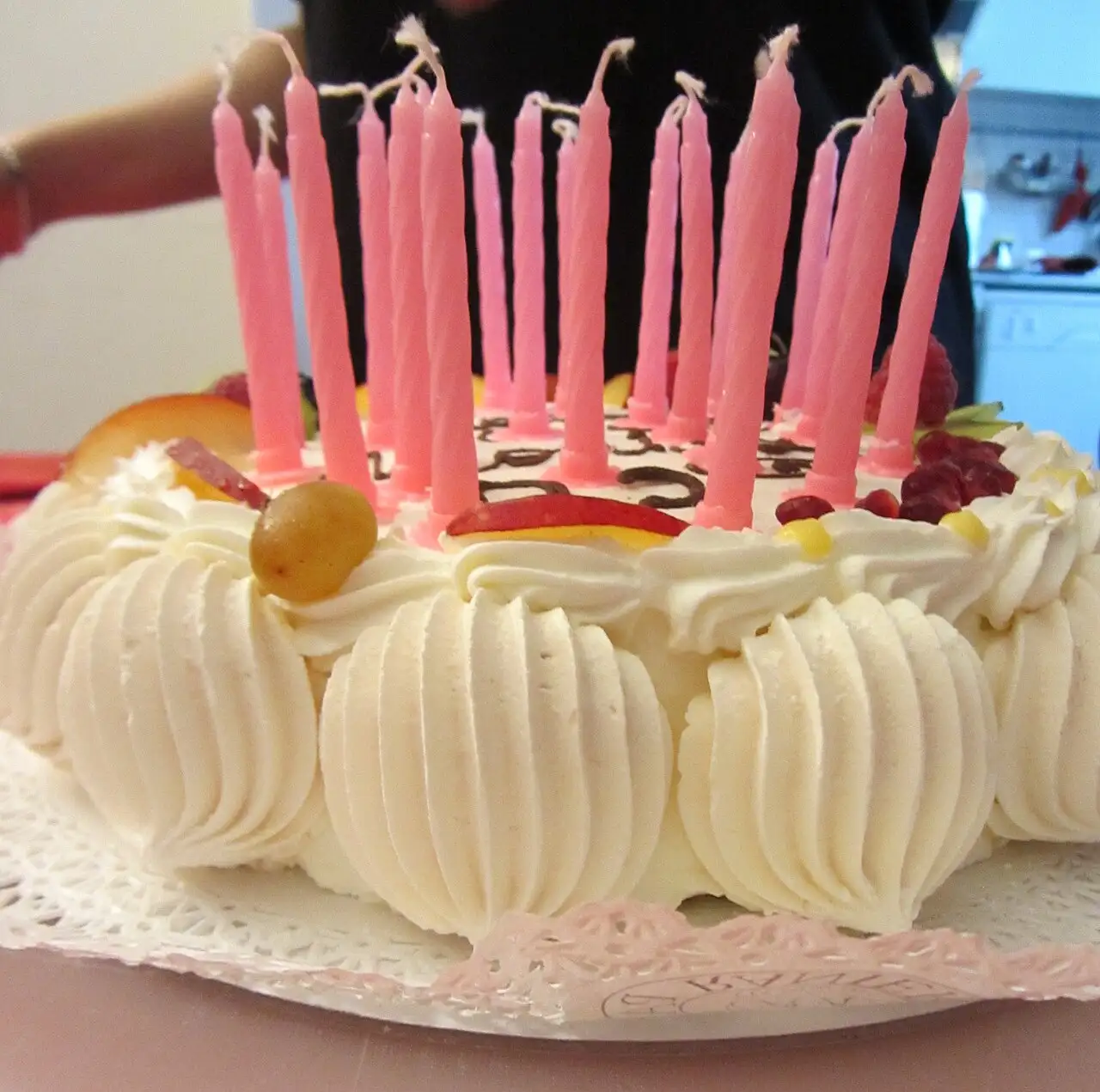
Sofia’s dad has always said he doesn’t want a fuss. So when his 60th came round, the family did what families do: they ignored him and booked the village hall.
The booking was from 2pm to 6pm, with setting up before and clearing after. The guest list, after three rounds of “well, if we’re inviting them, we have to invite…”, settled at 64. Sofia, as the organised one, got the spreadsheet.
Her worry wasn’t the big decisions. It was the small ones that are easy to get wrong in both directions: too few chairs and people stand awkwardly; too much food and the freezer is full of sausage rolls until March.
Tables first, because the hall has a fixed number
The hall had trestle tables that seat eight. The table quantity calculator settled it in a second: 64 guests at eight a table is 8 tables. The hall had ten, so that left two for the buffet and the cake.
Chairs, with a sensible margin
Chairs were a different story. People bring partners who weren’t on the list, a couple of chairs are always broken, and helpers need somewhere to sit too. Sofia added a 10% spare allowance in the chair quantity calculator:
- 64 guests + 10% spare = 71 chairs
The hall’s stacking chairs covered it, and the spares went along one wall for the speeches.
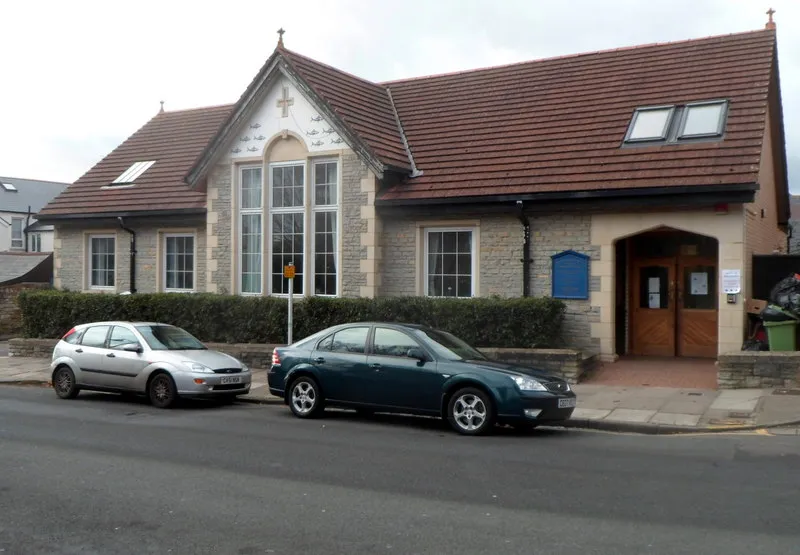
A typical UK parish hall (St Augustine's, Penarth). Photo: Jaggery, CC BY-SA 2.0, via Wikimedia Commons.

Food: decide the portion, then multiply
Sofia’s first instinct was to ask the caterer “how much do we need?” The caterer, quite reasonably, asked back: “How much does each person eat?”
For an afternoon buffet with a main course’s worth of food, she planned on about 300g per person. The food portions estimator multiplied it out:
- 64 guests × 300g = 19.2kg of food
That number was the useful part. It turned a vague brief into something she could check against the caterer’s quote, item by item. (Portion sizes are a planning choice, not a rule — a lighter afternoon tea would need much less.)
The cake question
Then came the cake, and Sofia’s sister announced she was making it. “How big?”
The cake servings calculator works both ways. Asked what size covers 64 people with party-sized slices, it pointed to more than a single 14-inch cake can manage — two 14-inch cakes would give 122 portions, far more than needed.
So they built a two-tier cake instead and checked each tier:
| Tier | Party portions |
|---|---|
| 12-inch | 45 |
| 10-inch | 31 |
| Total | 76 |
Seventy-six portions for 64 guests left a little over for second helpings — and for Dad, who would definitely want one to take home. One caution the calculator is clear about: those are narrow party slices. If you plan to serve the cake as the dessert, on plates, expect roughly half as many.
Four hours goes faster than you’d think
The last piece was the running order. Sofia listed five parts — guests arriving with drinks, the buffet, speeches, the cake, and a slideshow of old photos — and gave each about 40 minutes, with 10 minutes between them for the shuffling about that always happens.
The event-duration planner added it up: five 40-minute parts plus four 10-minute gaps is 240 minutes — exactly the four hours they’d booked, with nothing to spare.
That was the warning she needed. She cut the slideshow to 20 minutes and moved it to run during the buffet, which bought back time for the inevitable late start and the even more inevitable second round of speeches.
How it went
Dad said he didn’t want a fuss, cried during the slideshow, and took two slices of cake home. Seven chairs went unused. The food ran out about twenty minutes before the end, which Sofia counts as perfect planning.
If you’re planning something similar
- Fix the guest number first — every other figure follows from it.
- Use the venue’s limits (tables, chairs, hours) as your starting point.
- Choose a portion size, then multiply, so you can check quotes properly.
- Add the timings up honestly, gaps included, and leave slack.
You’ll find more party maths — pizza, ice, invitations and room capacity — in the Events tools. And if you’re baking the cake yourself, our post on scaling a recipe for a bigger tin covers getting the quantities right.